

Computational Biology
Recent news:

A senior double majoring in bioengineering and electrical engineering & computer science, Saket Budhia embraces the variety of bioengineering at Berkeley.

Congratulations to bioengineering MD/PhD candidate Alice Tang, named to the 2026 Forbes 30 Under 30! Tang has pioneered methods to analyze millions of health records using AI, uncovering revelations about complex diseases like Alzheimer’s.

Professors Paul Adams, Adam Arkin, Patrick Hsu, and Jay Keasling have been recognized in the “2025 Highly Cited Researchers” list, meaning their work ranks in the top 1% of citations for their field and publication year in Clarivate’s Web of Science citation index
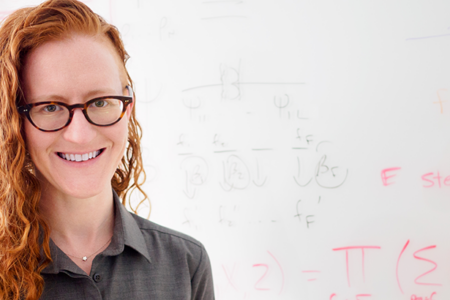
Professor Liana Lareau is recognized for her revolutionary approach to treat retinitis pigmentosa and other dominant genetic diseases by combining CRISPR prime editing with machine learning.

Computational modeling from Mofrad Lab gives us a peek inside these important microbial communities.
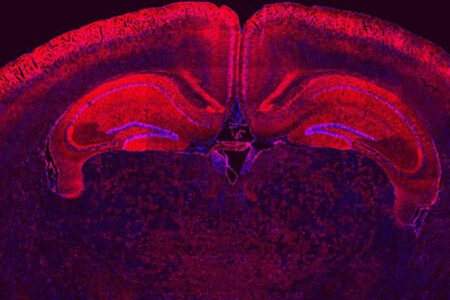
Murthy lab and UC Davis have developed a unique mRNA delivery method for in-utero gene editing for neurodevelopmental conditions.
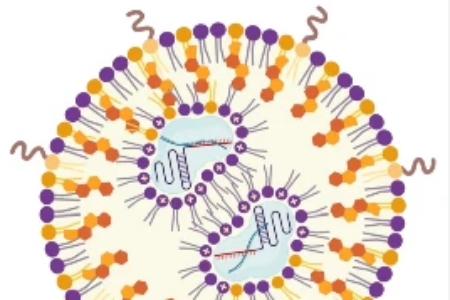
Niren Murthy et al. have developed a more stable version of the Cas9 enzyme to improve delivery of CRISPR-Cas9 ribonucleoproteins (RNPs) for in vivo gene editing.

Professor Leah Guthrie works to understand how the microbiome metabolites and proteins communicate with our human cells to influence our physiology and pathophysiology. Learn more about Guthrie in this interview with QB3.
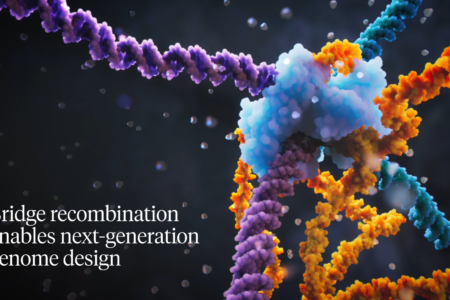
A team of researchers led by Professor Patrick Hsu has discovered the first DNA recombinase that is programmable, allowing the user to specify any desired genomic target sequence and any donor DNA molecule to be inserted. The bridge recombinase mechanism promises to expand genome editing beyond CRISPR and RNA interference (RNAi) to offer a unified mechanism for programmable DNA rearrangements. Bioengineering graduate student Nicholas Perry is also a lead author of the study, along with other researchers from the Arc Institute.