

Systems and Synthetic Biology
Recent news:

Researchers from Adam Arkin’s lab, funded by a grant from the Dept. of Health and Human Services, have engineered colonies of good bacteria that can be inhaled to crowd out pathogenic bacteria and combat lung infections without antibiotics.

Professors Paul Adams, Adam Arkin, Patrick Hsu, and Jay Keasling have been recognized in the “2025 Highly Cited Researchers” list, meaning their work ranks in the top 1% of citations for their field and publication year in Clarivate’s Web of Science citation index

The Department of Energy and the National Academy of Inventors have honored Professor Jay Keasling with their 2025 Innovator of the Year Award, which goes to one DOE employee who has translated research into tangible impacts that have benefited society at large. Keasling is a pioneer in synthetic biology who leads a groundbreaking research program focused on engineering microorganisms to produce advanced biofuels and chemicals.
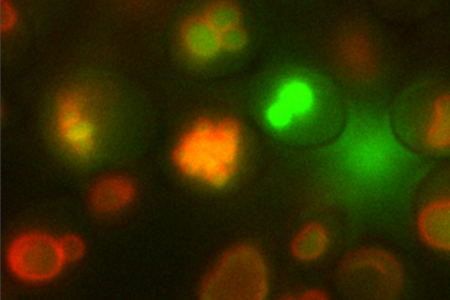
A team led by BioE alumnus Yasuo Yoshikuni genetically modified yeast to create hydroxyapatite, a strong and lightweight material, from the elements present in urine. With lower production costs the material may now be practical for use in wastewater treatment, fertilizer manufacturing, building materials and plastic replacement.
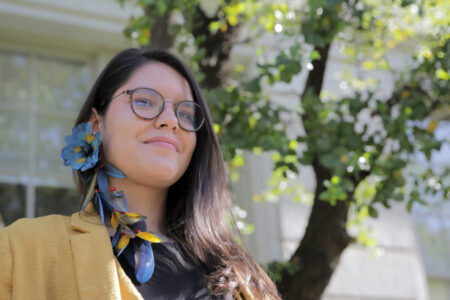
Bioengineering doctoral student Maria Astolfi and her colleagues argue for a new type of partnership with indigenous peoples to create a more ethical bioeconomy.

Co-founded by BioE alumnus Karsten Temme, Pivot is bringing cleaner nitrogen to American farmland.
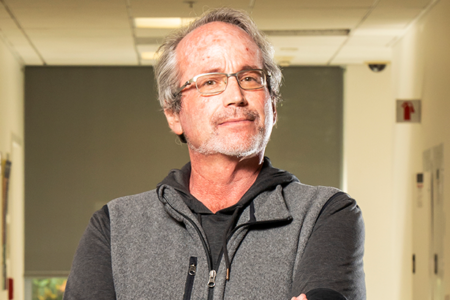
Adam Arkin has been granted an award of over $20 million from the Advanced Research Projects Agency for Health (ARPA-H) to pursue microbiome engineering to create probiotic bacterial communities that prevent and treat lung pathogens.
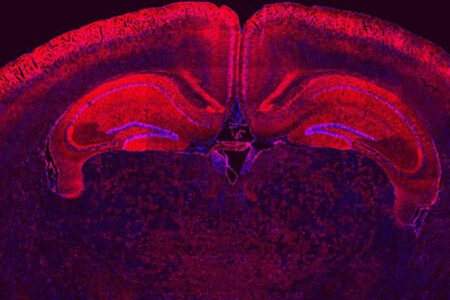
Murthy lab and UC Davis have developed a unique mRNA delivery method for in-utero gene editing for neurodevelopmental conditions.

Adam Arkin’s lab has developed a new technique, barcoded overexpression bacterial shotgun library sequencing (Boba-seq), that will make it much easier for researchers to discover the traits or activities encoded by genes of unknown function in microbes.