

Concentration: Cell & Tissue Engineering
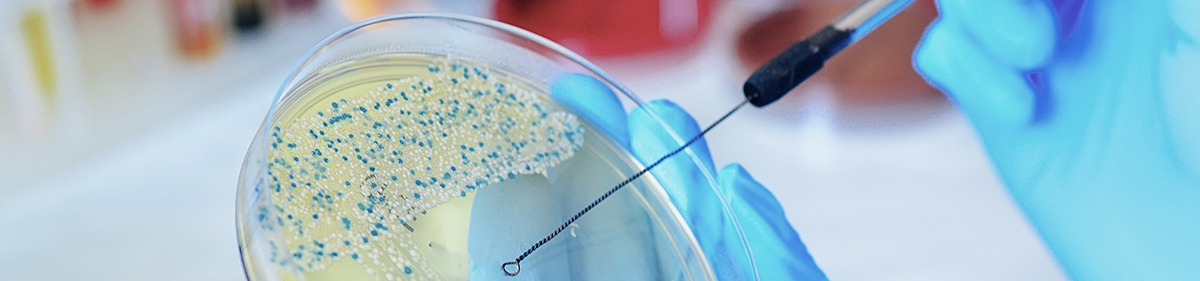
Work in Cell & Tissue engineering focuses on understanding and modifying the behavior of biological cells and tissues in both health and disease. This includes creating replacements for damaged tissues and body parts, and therapies to assist the body in regenerating injured or aged components.
Real-World Applications
Skin, nerve, bone, cartilage, blood vessel, and membrane replacements; replacement organs; biomimetic materials; stem cell therapies; anti-aging therapies; drug development.

News About: Cell & Tissue Engineering
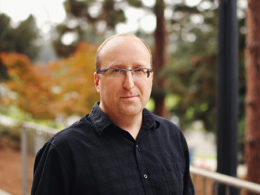
Yartsev named Guggenheim Fellow
Professor Michael Yartsev has been named to the John Simon Guggenheim Memorial Foundation’s 101st Class of Fellows for his trailblazing work in neuroscience and neuroengineering. One of the country’s most prestigious awards, fellowships are given to innovators in a wide range of disciplines with a monetary stipend allowing them to pursue independent work at the highest level under “the freest possible conditions.”

Growing immune cells with more targeted cancer-fighting abilities
Recent research from Professor Derfogail Delcassian’s lab explores how the stiffness of swollen lymph nodes increases the strength, but decreases the precision, of cancer-killing immune cells.

Student Profile: Emma Berman
Graduating senior Emma Berman lives at the intersection of engineering, medicine and community.
Herr wins Weill Neurohub Investigator Award
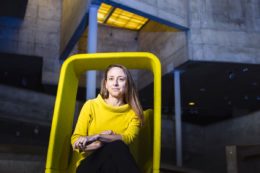
A research project on “the protein code of brain aging: from molecules to mechanisms,” by Professor Amy Herr has been selected for a Weill Neurohub Investigator Award. The Investigators program funds top faculty to form cross-campus, interdisciplinary teams to explore, create, and test bold new concepts and technologies.

Nature provides the answers
An in-depth look at research by Professor Phil Messersmith, who draws on biology to develop cutting-edge materials for medicine. His lab creates adhesives and therapies designed to work with the human body, offering new ways to repair tissues, heal wounds and treat disease.

Fletcher elected to National Academy of Medicine
Professor Dan Fletcher has been elected to the National Academy of Medicine for his contributions to the mechanistic understanding of biological self-assembly and mechanotransduction, and his work developing mobile phone-based microscopy for remote diagnosis of infectious diseases. Election to the academy is considered one of the highest honors in the fields of health and medicine.
UC Berkeley scientists uncover neural mechanisms behind long-term memory
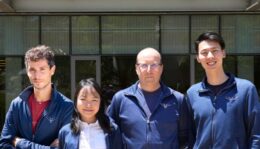
Researchers from Professor Michael Yartsev’s lab used wireless recording devices to track neural activity in Egyptian fruit bats, revealing new clues to how our long-term memories are formed.
UC Berkeley Awards $200K Venture Grant to HypO2Regen Therapeutics
Professor Phil Messersmith and colleagues have launched HypO2Regen Therapeutics, a startup developing novel, disease-modifying therapeutics for chronic intractable inflammatory diseases, including the first cell-free stem cell treatment that induces true regeneration of damaged tissue. Their first effort takes aim at periodontitis, which affects over 300 million people worldwide.
Yartsev wins Richard Lounsbery Award
Michael Yartsev will receive the 2025 Richard Lounsbery Award from the National Academy of Sciences to recognize his extraordinary scientific achievement in understanding the neural basis of natural behaviors.
Alumnus Di Carlo will lead new UCLA Chan Zuckerberg Initiative cell research project
The Chan Zuckerberg Initiative has allocated a $4 million grant to support collaborative research by UCLA, USC and CalTech that will examine cellular behaviors, many of which play a key role in developing immunity to pathogens and disease. Dino Di Carlo, UCLA professor of bioengineering and UC Berkeley BS and PhD alumnus, will lead the team.


