

Recent Faculty News
Core Faculty
J. Christopher Anderson
Associate Professor
Adam Arkin
Newton Memorial Professor
Iain Clark
Assistant Professor
Steve Conolly
Cook Professor
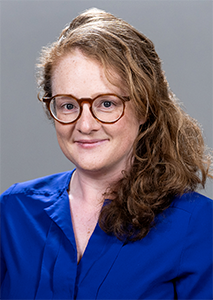
Derfogail Delcassian
Assistant Professor
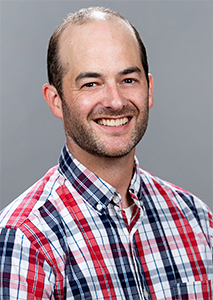
John Dueber
Lloyd Distinguished Professor
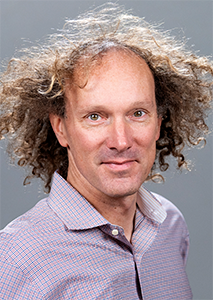
Daniel A. Fletcher
Purnendu Chatterjee Professor
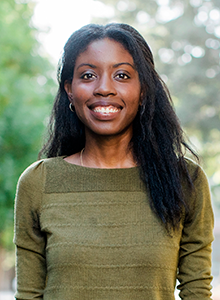
Leah Guthrie
Assistant Professor
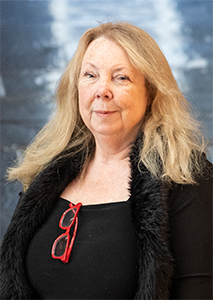
Teresa Head-Gordon
Chancellor's Professor
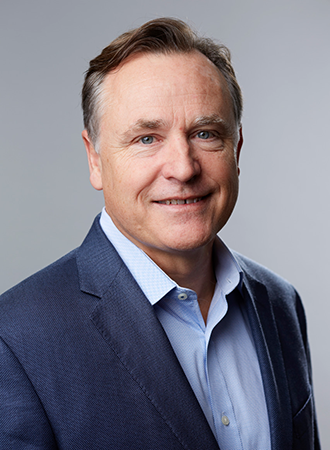
Kevin Healy
Fandrianto Professor
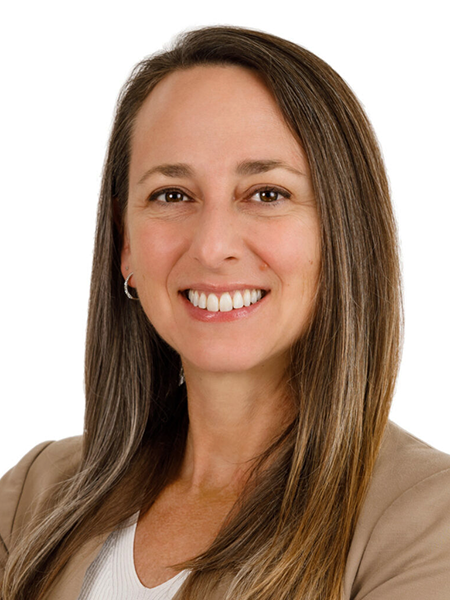
Amy E. Herr
MacArthur Professor
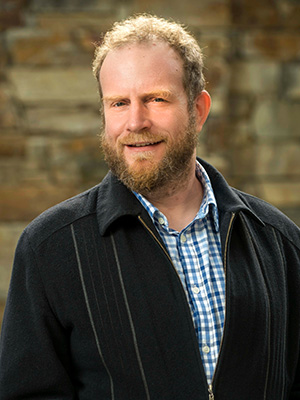
Ian Holmes
Professor
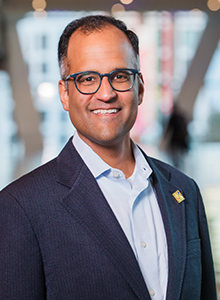
Sanjay Kumar
Chancellor's Professor
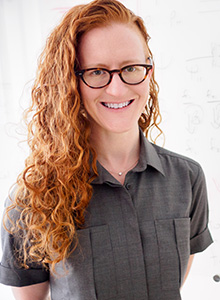
Liana Lareau
Guertin Associate Professor
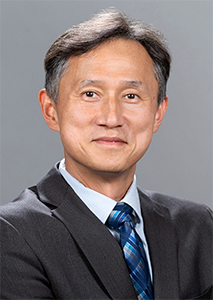
Seung-Wuk Lee
Professor

Dorian Liepmann
Professor
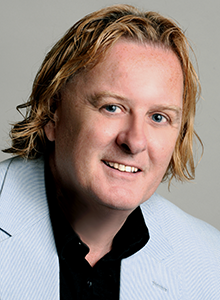
Gerard Marriott
Professor
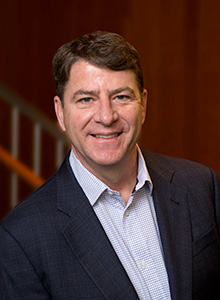
Phillip Messersmith
Class of 1941 WWII Memorial Professor and Chair
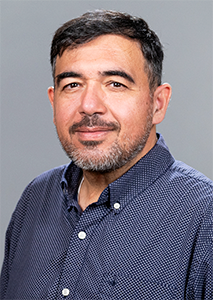
Mohammad Reza Kaazempur Mofrad
Professor
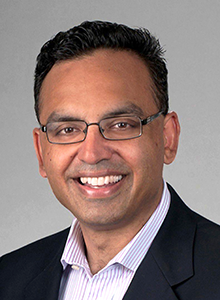
Niren Murthy
Professor
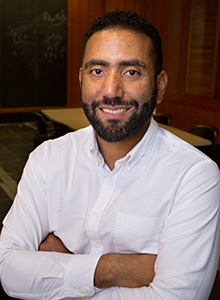
Aaron Streets
Lloyd Associate Professor
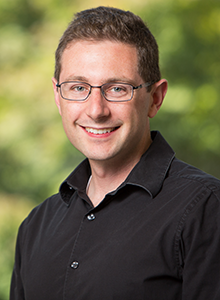
Moriel Vandsburger
Guertin Professor
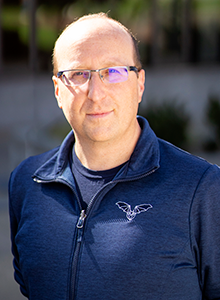
Michael Yartsev
Associate Professor
Joint Faculty
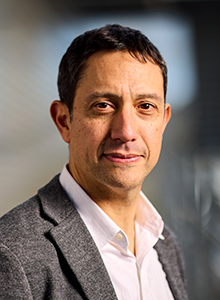
Christopher Hernandez
Professor in Residence
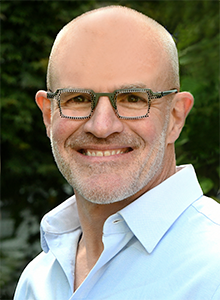
Jay Keasling
Professor
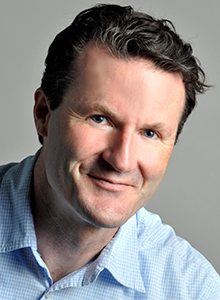
Tony Keaveny
Chancellor's Professor
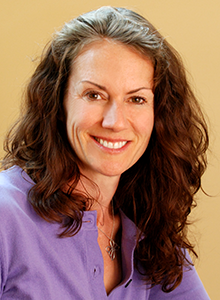
Lisa Pruitt
Professor
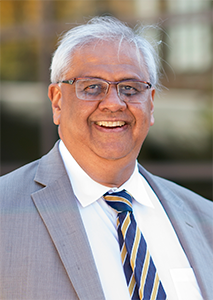
S. Shankar Sastry
Thomas Siebel Professor
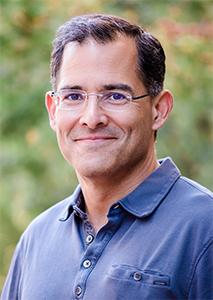
David Schaffer
Professor
Emeritus Faculty
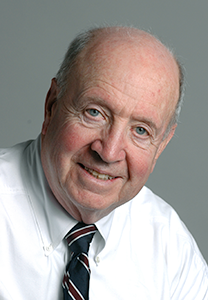
Thomas Budinger
Professor Emeritus
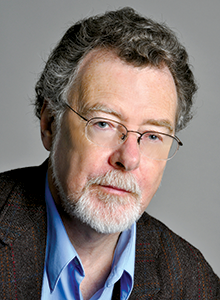
James Casey
Professor Emeritus
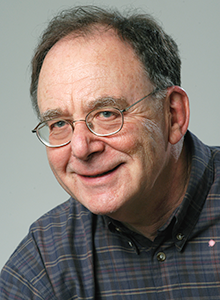
Richard Karp
Professor Emeritus
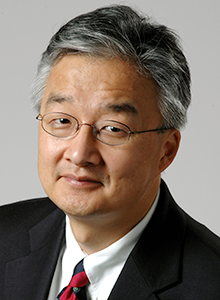
Luke Lee
Professor Emeritus
David Rempel
Professor Emeritus
Kimmen Sjölander
Professor Emeritus
Matthew Tirrell
Professor Emeritus
Adjunct & Affiliated Faculty
Paul Adams
Adjunct Professor
Steven Brenner
Affiliated Faculty
Syed Hossainy
Adjunct Professor
Patrick Hsu
Assistant Adjunct Professor
David Kirn
Adjunct Professor
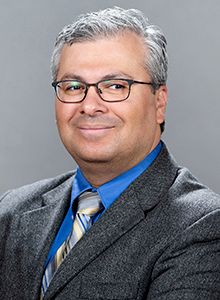
Taner Sen
Adjunct Professor
Lecturers
News About: Faculty
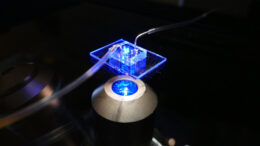
Heart-on-a-chip may lead to new treatments for heart failure
A team led by Professors Kevin Healy and Niren Murthy have developed a microfluidic heart-on-a-chip, with which they were able to discover a lipid nanoparticle that could penetrate the dense heart muscle and efficiently deliver its cargo of therapeutic mRNA into heart muscle cells. This new drug delivery method and testing platform may pave the way to new cardiac treatments.
Taner Sen and Colleagues Sequence Complex Oat Pangenome
Adjunct Professor Taner Sen and his colleagues at the USDA and beyond have assembled and annotated the genomes of 33 wild and domesticated oat lines, along with an atlas of gene expression across in 23 of these lines, which will enable future efforts to even more hardy and productive strains of the popular grain.

Fletcher elected to National Academy of Medicine
Professor Dan Fletcher has been elected to the National Academy of Medicine for his contributions to the mechanistic understanding of biological self-assembly and mechanotransduction, and his work developing mobile phone-based microscopy for remote diagnosis of infectious diseases. Election to the academy is considered one of the highest honors in the fields of health and medicine.
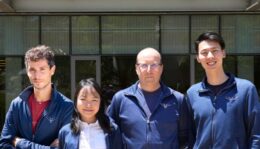
UC Berkeley scientists uncover neural mechanisms behind long-term memory
Researchers from Professor Michael Yartsev’s lab used wireless recording devices to track neural activity in Egyptian fruit bats, revealing new clues to how our long-term memories are formed.
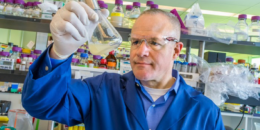
Keasling Named 2025 DOE/NAI Innovator of the Year
The Department of Energy and the National Academy of Inventors have honored Professor Jay Keasling with their 2025 Innovator of the Year Award, which goes to one DOE employee who has translated research into tangible impacts that have benefited society at large. Keasling is a pioneer in synthetic biology who leads a groundbreaking research program focused on engineering microorganisms to produce advanced biofuels and chemicals.
UC Berkeley Awards $200K Venture Grant to HypO2Regen Therapeutics
Professor Phil Messersmith and colleagues have launched HypO2Regen Therapeutics, a startup developing novel, disease-modifying therapeutics for chronic intractable inflammatory diseases, including the first cell-free stem cell treatment that induces true regeneration of damaged tissue. Their first effort takes aim at periodontitis, which affects over 300 million people worldwide.
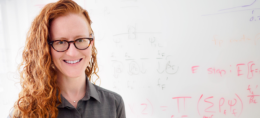
Lareau named MTI Innovator
Professor Liana Lareau is recognized for her revolutionary approach to treat retinitis pigmentosa and other dominant genetic diseases by combining CRISPR prime editing with machine learning.
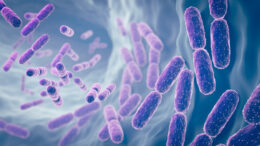
The not-so-secret life of gut bacteria
Computational modeling from Mofrad Lab gives us a peek inside these important microbial communities.
Messersmith’s AsparaGlue named East Bay Innovation Awardee
Berkeley startup AsparaGlue, founded on science by Professor Phil Messersmith and postdoc Subhajit Pal, won an East Bay Innovation Award for their bioinspired surgical superglue.
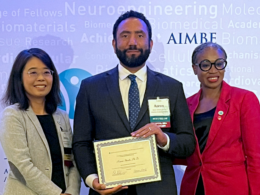
Aaron Streets named AIMBE Fellow
Professor Aaron Streets has been named to the College of Fellows of the American Institute for Medical and Biological Engineering (AIMBE). Streets was selected for “developing innovative technology to elucidate genome regulation with single-cell and molecule resolution, and for impactful leadership to diversify bioengineering.